Introduction
Bracelets can transform an outfit, but the right style depends heavily on proportion. A bracelet that looks elegant in a display case may feel too wide, loose, heavy, or visually dominant once worn on a smaller wrist. Petite wrists usually need pieces that provide polish without overwhelming the hand or interrupting natural movement. The most flattering bracelet is not always the boldest one. It is the one that feels balanced from every angle.
Smaller wrists can wear many bracelet styles beautifully, from tennis bracelets and bangles to chains, cuffs, and delicate diamond pieces. The key is choosing the right width, fit, flexibility, and visual weight. A bracelet should frame the wrist rather than swallow it. When proportion and comfort work together, jewelry feels effortless instead of fussy, like a tiny architecture lesson written in gold and sparkle.
Why Proportion Matters More Than Size Alone
Wrist size affects how jewelry appears once worn. A bracelet with a wide profile or heavy structure may look dramatic on a larger wrist but oversized on a smaller one. This does not mean petite wrists must avoid noticeable jewelry. It simply means the design needs to create harmony. Slim lines, flexible construction, and carefully scaled details often provide a more refined appearance.
The goal is to avoid visual imbalance. A bracelet should not slide too far down the hand, spin constantly, or create a bulky look beside delicate fingers. A well-proportioned piece follows the natural scale of the wrist. It adds interest without making the jewelry feel like it arrived with its own marching band.
Tennis Bracelets Are Strong Options for Petite Wrists
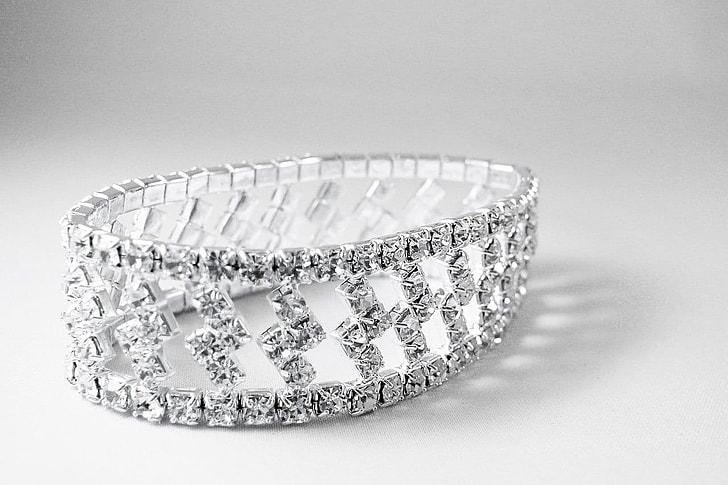
A tennis bracelet can work especially well on smaller wrists because of its flexible structure and continuous line of stones. Unlike rigid cuffs or oversized bangles, a tennis bracelet moves with the wrist and can create a soft, elegant outline. The design also has a clean rhythm, which helps it look polished without becoming visually heavy.
For petite wrists, diamond size and bracelet width should be chosen carefully. Smaller diamonds often create a more balanced look, while very large stones may feel too formal or overpowering. A slim tennis bracelet can be worn alone for subtle refinement or layered with a watch or delicate chain bracelet when the wearer wants more presence. Its flexibility makes it one of the most adaptable bracelet styles for smaller measurements.
Fit Should Feel Secure, Not Tight
A bracelet for a smaller wrist should not be so loose that it constantly slides over the hand, but it should not feel tight either. The best fit allows natural movement while remaining secure. If the bracelet is too loose, it may twist, catch, or look poorly sized. If it is too tight, it can feel uncomfortable and reduce the graceful movement that makes wrist jewelry appealing.
Sizing matters even more for valuable diamond bracelets because security affects both comfort and protection. A bracelet that fits properly is less likely to snag, slip off, or feel distracting during daily wear. For petite wrists, small sizing adjustments can make a major difference in how refined the final look appears.
Which Bracelet Designs Complement Petite Wrists Most Effectively?
Bracelet selection becomes easier when design proportions align with wrist size. Smaller wrists often benefit from jewelry that emphasizes balance rather than visual weight because oversized pieces can dominate the wrist and reduce overall harmony. Width, flexibility, and profile all contribute to how a bracelet appears once worn, making thoughtful selection important for both comfort and aesthetics. Many buyers focus exclusively on style preferences, yet proportion frequently plays an equally important role in determining whether a bracelet feels flattering and wearable throughout the day. Individuals seeking options specifically suited to smaller measurements often research petite wrist bracelets to identify designs that combine comfort, proportion, and visual elegance.
Several design characteristics consistently support a balanced appearance on smaller wrists. Slim profiles create a refined look, flexible constructions improve comfort, and delicate details help maintain proportion without sacrificing visual interest. These qualities allow the bracelet to complement the wearer rather than compete for attention. Proper sizing also contributes significantly to overall satisfaction because a well-fitted bracelet moves naturally while remaining secure during daily activities. Understanding how proportion influences appearance helps consumers evaluate bracelet options more effectively and avoid styles that may feel bulky or restrictive. When buyers prioritize fit alongside design preferences, they are more likely to select jewelry that feels comfortable, looks balanced, and integrates seamlessly into both everyday outfits and special-occasion wardrobes.
Delicate Chain Bracelets Add Everyday Ease
Chain bracelets are excellent for smaller wrists because they usually offer lightness and movement. A fine gold chain, diamond-accented chain, station bracelet, or adjustable style can create a graceful look without adding unnecessary bulk. These bracelets are especially useful for daily wear because they pair easily with casual clothing, office outfits, and evening looks.
Adjustable chain bracelets can be particularly helpful for petite wrists, as they allow the wearer to control how closely the bracelet sits. A small diamond detail or charm can add personality while keeping the overall design refined. The result is jewelry that feels personal and wearable without overwhelming the wrist.
Slim Bangles Can Work When Sized Correctly
Bangles can be tricky for smaller wrists because many standard sizes slide too much or sit awkwardly near the hand. However, slim bangles in the right size can look elegant and structured. A narrow gold bangle, diamond bangle, or minimal hinged bracelet can add polish while maintaining clean proportion.
Hinged bangles are often better than traditional slip-on bangles for petite wrists because they can fit more closely. A bangle that opens and closes around the wrist reduces excess movement and creates a cleaner silhouette. When choosing bangles, thinner designs usually offer better balance than wide cuffs unless the wearer intentionally wants a bold statement.
Round Diamonds and Small Details Create Soft Balance
Diamond shape can also influence how bracelet details appear on smaller wrists. Round diamonds are popular because they provide classic sparkle in a compact form, making them useful for tennis bracelets, station bracelets, and delicate bangles. Their symmetry creates a balanced appearance that works well in smaller-scale jewelry.
Buyers interested in classic diamond styling may find it useful to explore why round cut diamonds remain so popular, especially when considering bracelets that need sparkle without excessive visual weight. On petite wrists, small round stones can create refined brilliance while preserving proportion. The effect is elegant rather than crowded.
Avoid Styles That Feel Too Bulky
Some bracelet styles may feel less practical for smaller wrists. Very wide cuffs, oversized chain links, heavy charm bracelets, and large rigid bangles can dominate the wrist if not carefully chosen. These pieces may still work as statement jewelry, but they need thoughtful styling. The rest of the outfit and jewelry should remain simpler so the bracelet has room to be the focal point.
Bulk is not only visual. Heavy bracelets can feel uncomfortable during daily wear, especially if they slide or rotate frequently. For smaller wrists, a bracelet should feel secure enough to move naturally with the body. Comfort is not a minor detail. It is the little gatekeeper that decides whether jewelry gets worn or abandoned in the drawer.
Dedicated Brand Section: Why Proportion Guidance Matters
A professional jewelry experience can help buyers understand which bracelet styles suit smaller wrists before they commit to a piece. Proportion is difficult to judge from product photos alone because scale changes once jewelry is worn. A bracelet that looks delicate online may feel wider in person, while a piece that seems understated in a case may look perfectly balanced on the wrist.
Guidance is especially valuable for diamond bracelets, where stone size, setting type, clasp design, and total length all affect wearability. A knowledgeable jeweler can help compare tennis bracelets, bangles, chain bracelets, and diamond-accented designs based on wrist size and personal style. This helps buyers choose jewelry that feels elegant, secure, and useful across different occasions.
Use Style and Budget Together
Bracelet shopping should consider both style and budget. A smaller wrist may need less visual weight, which can sometimes help buyers choose more refined pieces without feeling pressured toward larger designs. Instead of spending only on size, buyers can prioritize craftsmanship, comfort, clasp security, diamond quality, and long-term wearability.
General jewelry and diamond shopping advice, such as guidance on selecting the right diamond for style and budget, can help buyers think about value more clearly. The most satisfying bracelet is not always the largest or most dramatic one. It is the piece that fits the wrist, suits the wearer, and feels worth wearing often.
Layer Carefully on Smaller Wrists
Layering can look beautiful on petite wrists, but it works best with restraint. A slim tennis bracelet can pair well with a fine chain bracelet or a watch. A delicate bangle can sit beside a small diamond bracelet. The key is to vary texture while keeping scale controlled. Too many bracelets of similar size may feel cluttered, while one dominant piece with one or two quieter companions can look polished.
Spacing matters too. Bracelets should not fight for room or create constant noise and friction. If the stack feels heavy, remove one piece. A smaller wrist often benefits from editing. A light, deliberate arrangement can create more elegance than a crowded stack trying to perform an entire jewelry parade at once.
Conclusion
The best bracelet styles for smaller wrists are usually slim, flexible, well-fitted, and carefully proportioned. Tennis bracelets, delicate chains, narrow bangles, station bracelets, and refined diamond pieces can all work beautifully when their scale supports the wrist rather than overpowering it.
A flattering bracelet should feel comfortable, secure, and visually balanced. Petite wrists do not need to avoid elegance or sparkle. They simply benefit from thoughtful design choices. When fit, width, flexibility, and personal style are considered together, the right bracelet becomes more than an accessory. It becomes a polished detail that feels naturally made for the wearer.