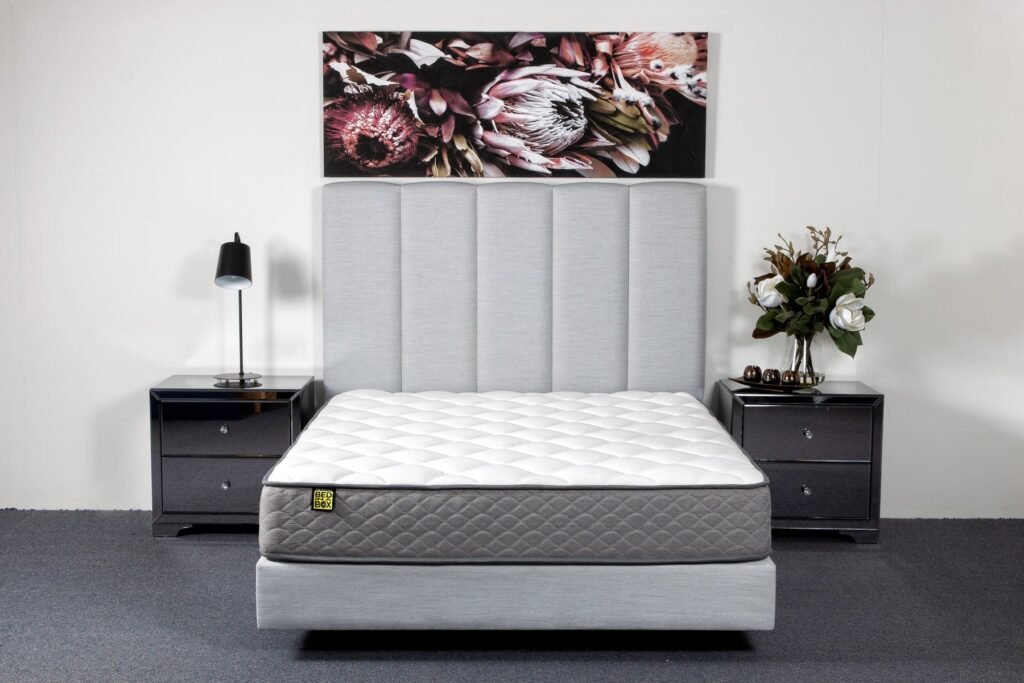
Shopping for a new bed used to be a big mission. You would visit multiple stores, lie on mattresses under bright showroom lights, try to remember what each one felt like, then organise delivery that might take weeks. For a lot of Australians, that process is no longer appealing, especially if you live in an apartment, have a busy schedule, or simply want a smoother way to buy.
That is where boxed beds come in. You have probably seen them advertised online as “bed in a box” or “mattress in a box,” delivered straight to your door. They have become popular because they promise convenience, modern comfort, and better value. But what exactly is a boxed bed, and how does it really compare to a traditional bed setup?
If you are weighing up convenience, comfort, budget, and long-term value, this guide will help you understand the differences and choose with confidence.
What Is a Boxed Bed?
A boxed bed, often called a bed in a box, is a mattress that has been compressed, rolled, and packed into a compact box for delivery. Instead of arriving full size on a truck, it shows up as a manageable carton that can be carried into your home more easily.
Once you unbox it and carefully remove the plastic wrapping, the mattress expands back to its original shape. Many mattresses begin expanding within minutes, but it is common for them to take 24 to 72 hours to fully settle into their final shape and feel. During this time, the mattress “breathes,” regains its height, and reaches its intended firmness.
Most boxed beds are made using modern materials such as:
- Memory foam, known for contouring and pressure relief
- Latex foam, which is responsive and often cooler than memory foam
- Hybrid designs, combining foam layers with pocket springs for bounce and support
The key point is this: the compact packaging does not automatically mean lower quality. Advances in manufacturing and compression technology allow many boxed mattresses to perform similarly to traditional mattresses, particularly in comfort and support.
What Is a Traditional Bed?
A traditional bed usually means buying a mattress that arrives at full size, either from a physical store or an online retailer. It is often paired with a bed frame, ensemble base, or slatted base, and many people buy the full set as part of a bedroom package.
Traditional mattresses commonly include:
- Innerspring mattresses, often with interconnected coils
- Pocket spring mattresses, where springs move more independently
- Hybrid mattresses, combining springs and foam layers
- Foam mattresses, which are now available in traditional formats too
The biggest difference is logistics. Traditional mattresses are large and bulky during transport, so delivery usually needs scheduling, access planning, and sometimes extra help to bring the mattress inside. If you have narrow hallways, stairs, or small lifts, delivery can be a challenge.
Key Differences Between Boxed Beds and Traditional Beds
1) Delivery and Convenience
Boxed bed delivery is one of its biggest selling points. Since the mattress is compressed into a box, it is easier to move through doorways, elevators, and tight hallways. This can be a major advantage if you live in an apartment, a townhouse, or a home with limited access.
Traditional bed delivery often involves a larger truck and a pre-booked time slot. Depending on the retailer, you might need to wait at home for a delivery window, and you may need to pay extra for upstairs delivery, removal of your old mattress, or setup services.
If simple delivery is your top priority, boxed beds usually win.
2) Setup Experience
Boxed beds are designed for quick setup at home. Most require no tools and no professional help. You simply place the box in the room, unroll the mattress, remove the plastic, and let it expand.
Traditional beds can vary. If you are buying a mattress only, you may still need help lifting and positioning it. If you are buying a bed frame or ensemble package, you might need to assemble parts, wait for installers, or coordinate multiple deliveries.
If you prefer a DIY, low effort setup, boxed beds are typically easier.
3) Comfort, Support, and Feel
This is where many shoppers hesitate, and it is a fair concern. The comfort of a mattress is personal, and not everyone likes the same “feel.”
Modern boxed beds often use multi-layer foam systems or hybrid designs that provide strong pressure relief and support. Many people find them comfortable right away, especially if they like a slightly more “hugging” feel, less motion transfer, and fewer partner disturbances.
Traditional mattresses provide a wider variety of feels, including classic spring bounce, firmer support options, and a broader range of brand-specific constructions. If you love a traditional innerspring feel with lots of bounce and airflow, you may lean toward traditional options, although many boxed hybrids also offer this.
A good way to think about it is this: boxed beds are often designed to suit a wide range of sleepers, while traditional beds may offer more niche choices if you have very specific preferences.
4) Price and Value
In many cases, boxed beds are more affordable because the brand sells direct to consumers. There is usually no expensive showroom network, and packaging and shipping are more streamlined.
Traditional mattresses can still offer excellent value, but the pricing often includes costs related to retail space, sales staff, and delivery logistics. That does not mean they are overpriced, but it can mean you pay more for the same level of comfort and materials.
When comparing price, do not only look at the headline number. Consider what is included:
- Delivery fees
- Setup services
- Warranty coverage
- Sleep trial length
- Return or exchange costs
Sometimes a traditional mattress costs more but includes services that matter to you. Other times, boxed beds offer better overall value because the extras are included in the price.
5) Sleep Trials and Returns
One major advantage of boxed beds is that many brands offer extended at-home sleep trials. This gives you time to adjust because your body may need a couple of weeks to adapt to a new mattress. It also lets you test the bed in your real environment, not under showroom lighting for five minutes.
Traditional retailers often have more varied return policies. Some allow exchanges, some require fees, and some have stricter conditions. There are also hygiene and comfort return limitations that can apply.
If you want the comfort of a longer trial period, boxed beds usually come out ahead. Just make sure you read the fine print about returns, pickup, and condition requirements.
6) Sustainability and Shipping Efficiency
From a logistics perspective, boxed beds can be more efficient to ship because they take up less space in transport. More units can fit on a truck, which can reduce the number of trips required.
Traditional mattresses are delivered at full size, which can mean fewer mattresses per shipment and potentially more transport space per unit. However, sustainability also depends on the materials used, durability, and how long the mattress lasts.
If sustainability matters to you, look beyond packaging and consider:
- Materials and certifications (low VOC, responsibly sourced latex, etc.)
- Durability and warranty coverage
- End-of-life options (recycling programs, removal services)
Which Option Is Right for You?
Neither option is “better” for everyone. The best choice depends on your lifestyle, space, comfort preferences, and how you like to shop.
A boxed bed may be ideal if you:
- Want a convenient, hassle-free buying experience
- Live in an apartment or have difficult delivery access
- Prefer transparent pricing and fewer add-on fees
- Like modern foam comfort or hybrid designs
- Value long at-home sleep trials and easier returns
- Want fast delivery without long scheduling windows
A traditional bed may suit you if you:
- Prefer testing mattresses in-store before buying
- Want a full bedroom suite delivered and installed
- Have a strong preference for classic spring “bounce”
- Need a very specific firmness or specialty design
- Want professional delivery teams to handle setup
- Prefer buying from a local retailer or brand you already trust
A Simple Checklist Before You Buy (Boxed or Traditional)
No matter which direction you choose, these quick checks help you avoid regret:
- Sleeping position: side, back, stomach, or combination
- Firmness preference: soft, medium, firm, or extra firm
- Partner disturbance: do you need low motion transfer?
- Temperature: do you sleep hot and need cooling features?
- Support needs: back pain, pressure points, or mobility issues
- Room access: stairs, narrow halls, small lifts, tight doorways
- Base compatibility: slats, ensemble base, adjustable base
- Trial and warranty: length, conditions, and return process
This checklist matters because comfort is personal, and the best mattress is the one that suits your actual needs, not just what is popular.
Final Thoughts: Convenience vs Control
Boxed beds have changed the mattress market for a reason. They make buying easier, delivery simpler, and trials more generous, while still offering strong comfort and support for many sleepers. For modern living, especially in smaller Australian homes or rentals, that convenience can be a big deal.
Traditional beds still have their place too. If you want the experience of in-store testing, need a full bedroom package, or have very specific comfort requirements, a traditional setup may feel more reassuring and tailored.
In the end, the right choice is the one that fits your space, your routine, and how you like to shop. If you want speed, simplicity, and at-home testing, a boxed bed is often the smart move. If you want hands-on testing and full-service delivery, traditional shopping can still be worth it.