
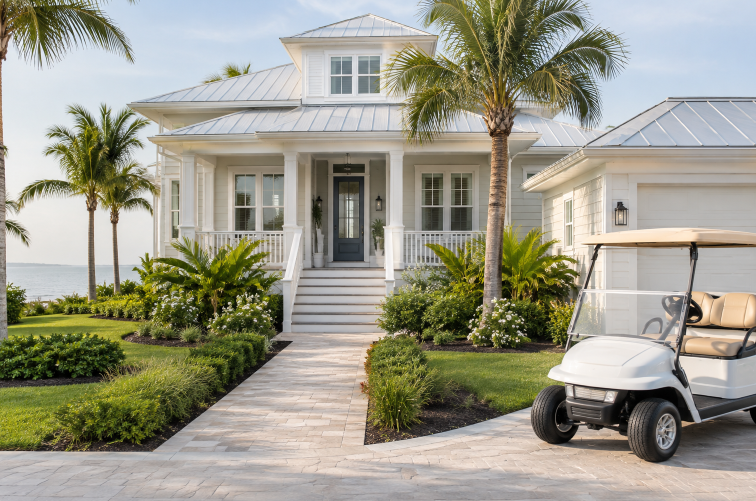
Buying in Boca Grande means choosing a distinctive barrier-island lifestyle on Gasparilla Island, where beach time, boating, golf carts, and a slower daily rhythm can all shape the appeal of a home. The right purchase, however, depends on more than a Gulf view or a polished interior. Buyers need to understand the property’s exposure, operating costs, access, and condition before making an offer.
For a property-specific perspective, Boca Grande real estate agent Jamie Curry provides a website focused on Boca Grande homes, waterfront properties, island neighborhoods, and nearby Placida opportunities. Jamie Curry began her local career as a real estate paralegal and has experience with island transactions, contracts, and neighborhood-level considerations, making her Boca Grande and Placida market knowledge especially useful when buyers need to look beyond listing photos.
Start With the Life You Want to Live
A coastal property should fit the way you will actually use it. A full-time residence may need dependable storage, easy access to health care, and room for visiting family. A seasonal retreat may place more value on lock-and-leave convenience. A rental property adds another layer of planning, including local rules, guest turnover, furnishing, and management.
Before touring homes, define your priorities:
- Will this be a primary home, vacation home, retirement residence, or rental?
- How often will the home be vacant?
- Do you need a dock, boat storage, pool, elevator, or golf cart garage?
- Is direct beach access more important than privacy or a protected-water location?
- Can you manage maintenance from another state, or will you need local help?
Compare Boca Grande Areas by Daily Convenience
Two properties on the same island can support very different routines. A home near the village may make it easier to reach restaurants, shops, and community activities. A more secluded location may deliver quiet and views while requiring more driving for everyday errands. The bridge connection to the mainland also makes travel time part of the ownership decision.
Visit each preferred area on a weekday, a busy weekend, and after dark. During those visits, consider grocery and pharmacy access, parking, beach entrances, traffic, mobile service, internet reliability, noise, and the route you would use to reach the airport or mainland appointments.
Review Flood Exposure Before Falling in Love
Flood exposure is address-specific. A neighborhood name, a home’s appearance, or an owner’s past experience does not replace a review of the current mapping and elevation information. Start with the FEMA Flood Map, then ask qualified local professionals how the property’s elevation, construction, and insurance history may affect ownership.
For every serious candidate, request or investigate the following:
- The current flood zone and, when available, base flood elevation information.
- An elevation certificate, if one is available.
- Past flooding, water intrusion, drainage work, and storm-related repairs.
- Insurance claims, repair invoices, permits, and contractor warranties.
- The condition of nearby canals, seawalls, docks, and drainage paths.
Being outside a high-risk mapped area does not mean a property has no flood exposure. Conversely, a mapped zone alone does not determine whether a home is a good fit. Elevation, design, maintenance, insurance cost, financing terms, and your comfort with risk all belong in the decision.
Build a Complete Insurance Budget Early
Request preliminary insurance quotes before making an offer, not after the inspection period is already underway. Homeowners, flood, windstorm, and hurricane-related coverage may be structured separately, and deductibles can materially affect the amount you would pay after a covered loss. Florida buyers can review how hurricane deductibles work before comparing policy options with a licensed insurance professional.
Your ownership budget should account for more than the mortgage payment:
- Homeowners and flood insurance premiums.
- Hurricane or named-storm deductibles.
- Property taxes, HOA fees, club dues, and potential assessments.
- Utilities, pest service, landscaping, pool care, and air-conditioning maintenance.
- Storm preparation, shutter service, debris removal, and post-storm inspections.
Inspect What Salt Air and Storms Can Wear Down
Coastal conditions call for close attention to the exterior systems that protect the home. Salt air, humidity, wind, and sun can affect metal components, paint, roof materials, doors, decks, and mechanical equipment. A remodeled kitchen is attractive, but it does not answer questions about drainage, structure, windows, or roof performance.
During due diligence, review the roof and flashing, impact-rated windows and doors, shutters, garage protection, exterior fasteners, balconies, stairs, HVAC equipment, pool equipment, and electrical components. For waterfront homes, consider specialized inspections for seawalls, docks, lifts, pilings, and retaining structures when appropriate.
Compare Houses, Condos, and Waterfront Homes Honestly
Single-Family Homes
Single-family homes can provide privacy, outdoor space, and renovation flexibility. They also place more responsibility on the owner for landscaping, roof care, storm preparation, exterior repairs, and waterfront structures.
Condos
Condominiums may reduce individual exterior maintenance, but buyers should study association finances and rules. Request the budget, insurance declarations, reserve information, recent meeting minutes, pending assessments, rental restrictions, renovation rules, and records related to building maintenance.
Waterfront Properties
Waterfront ownership can support boating access and expansive views, while adding maintenance and permitting questions. Confirm whether the dock, lift, seawall, and any related improvements are included, properly documented, and in acceptable condition.
Create a Shortlist Before You Offer
- Choose three to five Boca Grande or nearby Placida areas that fit your intended lifestyle.
- Set a full monthly and annual ownership budget, including insurance and maintenance.
- List non-negotiables, such as beach proximity, protected water, guest space, or elevator access.
- Check flood information and request insurance estimates for every serious property.
- Compare taxes, fees, property condition, travel time, and likely maintenance needs.
- Remove homes with risks or recurring costs that exceed your budget or comfort level.
Questions Boca Grande Buyers Often Ask
Is a coastal home still a smart purchase in 2026?
It can be when the property matches your lifestyle, budget, and tolerance for maintenance and storm preparation. The strongest decision is based on total ownership cost rather than purchase price alone.
Should buyers avoid every flood zone?
Not automatically. Review the exact location, elevation, insurance requirements, construction details, claims history, and financing terms before deciding whether the property is right for you.
Are newer homes always safer?
Newer construction may include features that are valuable in a coastal setting, but age alone does not determine risk. Location, elevation, design, upkeep, and the condition of key systems remain important.
Final Checklist Before Making an Offer
- Confirm flood zone and elevation information.
- Obtain homeowners, flood, and wind coverage estimates.
- Review taxes, HOA documents, club fees, and possible assessments.
- Inspect roof, windows, drainage, HVAC, and exterior systems.
- Ask about flooding, storm damage, repairs, permits, and claims.
- Evaluate seawalls, docks, pools, and structural features when applicable.
- Visit the neighborhood at different times before committing.
A Boca Grande home can offer an exceptional sense of place, but the best purchase is the one that remains comfortable after the showing ends. Careful research on flood exposure, insurance, maintenance, access, and daily life helps buyers enjoy the coast with clearer expectations.