
Post Preview
Key Takeaways
- Proper surface preparation is crucial for coating adhesion and longevity.
- Common contaminants like oil, rust, and mill scale must be thoroughly removed.
- Adhering to industry standards ensures consistent and reliable results.
- Neglecting surface preparation can lead to costly failures and safety hazards.
The longevity and effectiveness of industrial coatings hinge significantly on meticulous surface preparation. Before any coating is applied, the surface must be properly cleaned and conditioned to provide the best platform for lasting performance. This foundational step is crucial because it determines the quality of adhesion, the durability of the application, and the overall life cycle of the coating system. Companies that prioritize this process, such as MBcoatings.com, consistently achieve superior results and maximize the value of their protective coatings.
Industrial environments are often harsh and unpredictable, requiring coating systems that can withstand exposure to chemicals, moisture, abrasion, and extreme temperatures. However, even the most advanced coating products will fail if surface contaminants like rust, oil, or mill scale are present during application. Proper surface preparation ensures the substrate is free from these barriers, making it a key contributor to safety, cost-effectiveness, and structural reliability.
The Importance of Surface Preparation
Surface preparation is the process of thoroughly cleaning and conditioning a substrate before applying an industrial coating. This practice is the first line of defense against premature failures, as even the highest-quality coatings cannot compensate for improper substrate conditions. Contaminants such as oil, grease, rust, and mill scale act as invisible walls, preventing coatings from bonding and creating widespread vulnerabilities in the finished product.
Without rigorous preparation, the risk of coating delamination increases significantly, and maintenance cycles become more frequent. Regulatory authorities and industrial leaders universally agree that clean, properly profiled surfaces are non-negotiable standards for reliable coating performance.
Common Contaminants and Their Impact
Industrial surfaces frequently accumulate a variety of contaminants. Each type poses unique challenges to achieving optimal coating performance:
- Oil and Grease: These substances form a slick barrier, reducing or eliminating adhesion of coatings.
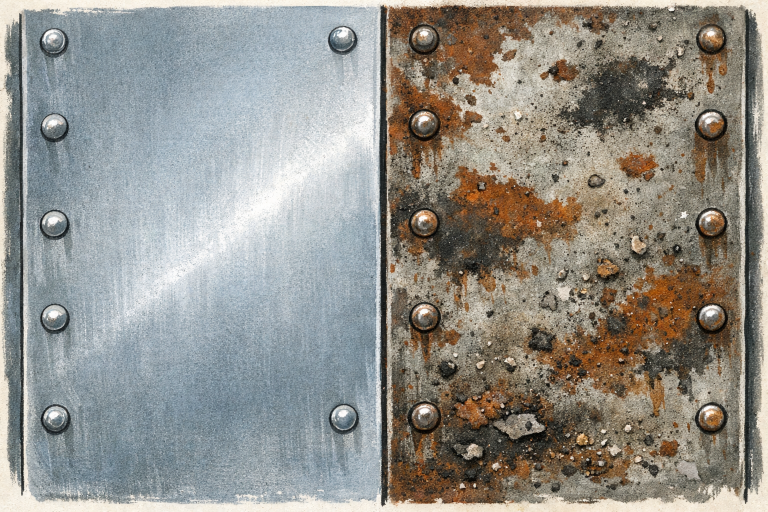
- Rust and Mill Scale: Corrosion products and mill scale produce uneven surfaces, which hinder coating uniformity and can promote future corrosion underneath the protective layer.
- Dirt and Dust: Particulate matter embedded in the substrate may prevent the coating from fully encapsulating the surface, leading to pinholes and weak spots.
Eliminating these contaminants is a foundational measure that lays the groundwork for successful, long-lasting coatings. According to the Environmental Protection Agency, improper cleaning and preparation are leading causes of failures in commercial and industrial painting projects.
Methods of Surface Preparation
Several industry-approved methods are available for preparing surfaces for coatings. Selecting the correct technique depends on the substrate, the expected service environment, and the type and severity of contamination:
- Solvent Cleaning: Utilizes chemical solvents, such as mineral spirits or acetone, to dissolve and wipe away oils and greases.
- Alkaline Cleaning: Employs alkaline solutions to saponify grease and break down organic contaminants.
- Abrasive Blasting: Involves projecting abrasive materials at high velocity to physically remove rust, mill scale, old coatings, and surface impurities. This also creates a surface profile that enhances coating adhesion.
- Pickling: Involves immersion in acidic solutions to remove tenacious oxides and scales from metal surfaces.
It is essential to pair the preparation strategy with the substrate and the coating system’s performance requirements. The Occupational Safety and Health Administration (OSHA) provides guidance on safe, effective surface preparation practices within the industry.
Industry Standards and Best Practices
Adhering to industry standards ensures not only reliable results but also regulatory compliance and safety. Standards developed by organizations such as the Society for Protective Coatings (SSPC) and the National Association of Corrosion Engineers (NACE) detail cleanliness requirements, surface profiles, and testing methods. For example, SSPC-SP 10 and NACE No. 2 define near-white metal blast cleaning, which is considered an optimal level for many industrial coatings.
Following these standards minimizes variability and human error, increasing the likelihood that coatings achieve their full life expectancy and maintain critical protection for assets. These standards are broadly referenced and enforced by both owners and contractors worldwide.
Consequences of Inadequate Surface Preparation
The effect of poor surface preparation can be both immediate and long-lasting. The following risks are among the most common consequences:
- Coating Failure: Lack of adhesion often leads to peeling, blistering, or delamination, exposing the substrate to further damage.
- Increased Maintenance Costs: Structures that experience premature failure require more frequent inspections, repairs, and recoating, raising operating expenses and reducing uptime.
- Safety Hazards: Insufficiently protected surfaces are more prone to corrosion, which may threaten the structural integrity of key components and endanger worker safety.
Preventing these failures begins with a firm commitment to preparation, training, and verification procedures at every stage of the project.
Case Studies Highlighting the Importance of Surface Preparation
Real-world evidence highlights the fundamental importance of rigorous surface preparation. For example, research published by the American Coatings Association documented repeated coating failures in industrial tanks when surface-cleaning and profiling steps were skipped or improperly performed. Failures resulted in safety risks, lost product, and expensive downtime. In contrast, projects that closely followed prescribed surface preparation standards demonstrated multi-year durability and minimal maintenance needs, validating the return on investment for the time and resources devoted to this preliminary stage of work.
Conclusion
Surface preparation is a pivotal factor in the success of every industrial coating application. By thoroughly cleaning and conditioning substrates, adhering to industry standards, and matching preparation methods to project specifics, organizations can ensure durable, effective results. Failing to prioritize this foundational step almost inevitably results in increased maintenance costs, reduced system lifespan, and, in some cases, jeopardized safety. Commitment to surface preparation is not just good practice; it is the cornerstone of lasting industrial coating performance.