
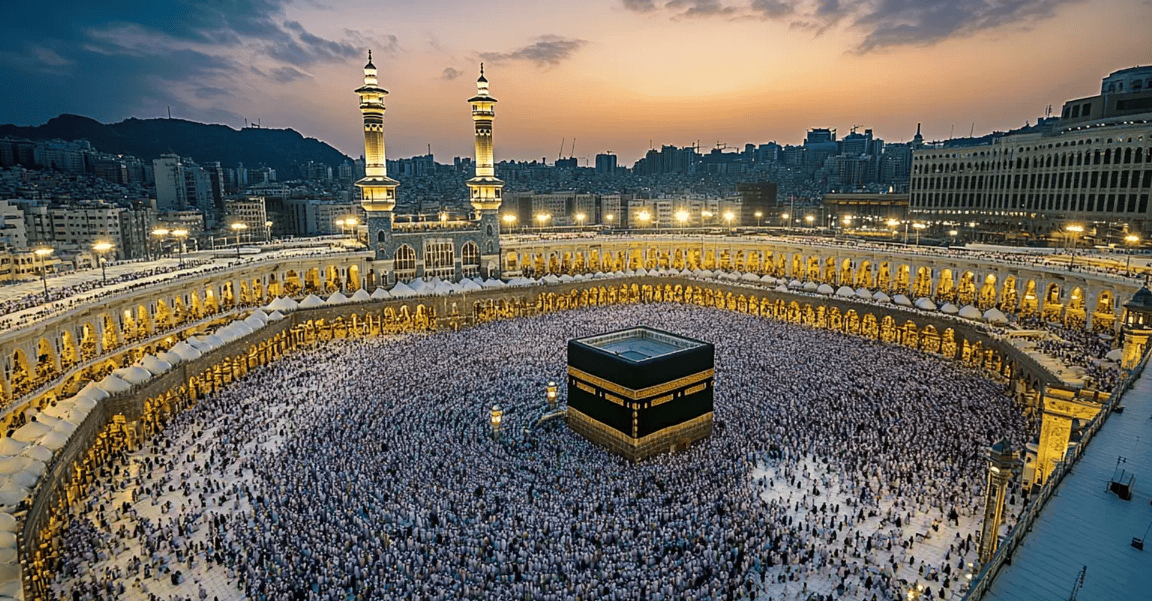
Hajj and Umrah are known to be the two most sacred pilgrimages for Muslims. They represent the profound and spiritual journeys. These journeys are not only the test of faith but also a physical challenge. Millions of Muslims gather in Makkah to perform the holy rituals of Umrah and Hajj. It is extremely essential to be mindful and aware of your health and well-being. One must focus on their strength, focus and devotion during this spiritually retreating journey.
In case you have some health condition that is inevitable, you must take several steps, in order to get the medical support that you must need during your trip or the Umrah or Hajj pilgrimage. It is suggested that you must go for a trusted travel agency such as Islamic Travel Agency to get the most flexible customized All-inclusive Umrah packages. In this package you will be able to pick any meals that suit you or book a premium amenity in which you could ask for the medical support that you might need during your Umrah or hajj pilgrimage.
The health challenges during Hajj and Umrah
It is a well-known fact that Hajj requires way more physical endurance as compared to the minor pilgrimage of Umrah. They both involve gathering of millions of people from all around the world. This can easily lead to several health risks such as exposure to infections, dehydration and fatigue. These health risks are more common during Hajj due to the excessive number of pilgrims.
Due to the presence of such a huge crowd, the chances of getting an infection also increases. People who have chronic conditions and compromised immune system, are at a greater risk of getting infections and allergies. The intense physical activity during the pilgrimage, the prolonged exposure to the Sun and harsh environmental conditions in Makkah can also lead to heat exhaustion. Hence it is crucial to take the health precautions before, during and after your pilgrimage in order to ensure your safety and well-being.
Individuals who must not perform Hajj or Umrah
There are several individuals that are not obliged to perform Umrah or Hajj. Children and people who are physically disabled are the ones who do not fall under any obligation to perform Umrah and Hajj.
- Hajj and Umrah are only required for the adult Muslims, whether male or female. Children may accompany their parents on the pilgrimage but they are not obliged to perform the rituals.
- Muslims who are very sick, elderly or otherwise physically incapable of performing the pilgrimage, are exempt from the requirement.
The precautions and measures that one must take for the pilgrimage are mainly divided into three sections. All of these precautions are categorized are mentioned in the guide below.
1. Before Travelling
There are certain health precautions that you must take in order to prepare themselves for the journey ahead. Some of these measures are mentioned in the guide below.
Check the weather
It is necessary to check the weather in order to pack mindfully and be careful about any ailments that you might get in that specific weather. For example, if your skin is sensitive to sun or heat then you must choose to travel in the cold months during the winter season. It is suggested to opt for the Umrah packages during winter holidays to get the best deals and have the perk of deciding the itinerary on your own terms. This year Holy month of Ramadan is also expected to fall in February, pilgrims can Book Ramadan Umrah Packages from UK and get a chance to perform umrah during Holy month.
Consult a doctor
It is essential to consult your doctor at least once a month before embarking on your journey. This visit allows the doctors to access your health status and determine whether you are fit for travel or not. In case you have any chronic diseases, the doctor might advise you on managing them during the pilgrimage.
Mandatory Vaccines
There are certain vaccinations that are required to safeguard your health during the pilgrimage. The meningococcal vaccine is mandatory for all the pilgrims, as it helps protect against the meningitis, which is a serious infection that can spread in the crowded environments. In addition to this the flu vaccine is also recommended in order to prevent the spread of infection.
2. During the pilgrimage
There are several preventative measures that one must take in order to have a safe and sound experience. Some of these preventions are mentioned in the guide below.
Avoiding heat-related illness
The heat related illnesses such as heat exhaustion and heat stroke are quite common due to the prolonged sun exposure. Symptoms of heat exhaustion include,
- Headache
- Dizziness and vertigo
- Dry or red skin
- Muscle Fatigue
- Nausea and Vomiting
- Difficulty breathing or swallowing
For food safety
Avoid unpasteurized milk, raw meat, or uncooked animal products, as they are prone to causing the foodborne illnesses.
3. After returning from Hajj/Umrah
Rest and Recovery
Once you have returned from your pilgrimage, it is important to take time to rest and recover. The physical and mental strain of the journey can be exhausting, so you must ensure that you get plenty of sleep and continue to hydrate.
Monitor Symptoms
In the two weeks following your return, if you experience any symptoms such as fever and cough that affect your daily activities, you must consult your doctor promptly for an evaluation. You should cover your mouth and nose with a tissue when coughing or sneezing and avoid close contact with others to prevent spreading the infection.
Following this brief health and safety guide will help you enjoy a fulfilling and spiritually enriching pilgrimage.