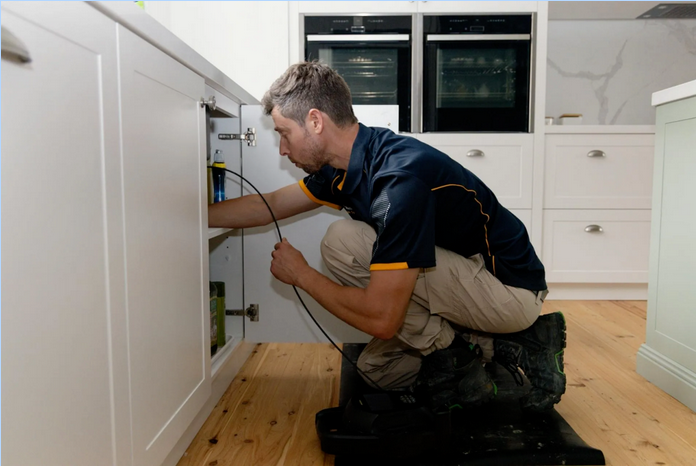
High-density living has become a defining feature of Sydney’s Eastern Suburbs. With apartments, townhouses and closely spaced homes dominating the landscape, plumbing systems are under greater pressure than ever before. As infrastructure ages and usage increases, plumbing issues can arise more frequently and affect multiple households simultaneously. Many property owners seeking reliable solutions find that blocked drains service in Eastern Suburbs by Sydney’s Blocked Drains plays a key role in addressing recurring issues and maintaining system performance. Understanding the most common plumbing problems in high-density environments helps residents and property managers take proactive steps to protect their properties.
High-density housing presents unique challenges that differ significantly from those in standalone homes, requiring specialised approaches to plumbing maintenance and management.
Increased Strain on Shared Drainage Systems
One of the most common plumbing challenges in high-density properties is the heavy strain placed on shared drainage systems. Multiple households often rely on the same pipes and sewer lines, leading to higher volumes of wastewater flowing through limited infrastructure.
Over time, this increased load can accelerate wear and tear on pipes, resulting in blockages, leaks and structural damage. Even minor disruptions in one unit can quickly affect neighbouring properties, making early intervention essential. In high-density environments, shared systems require more frequent inspection and maintenance to prevent widespread disruptions.
Ageing Infrastructure in Established Buildings
Many buildings in Sydney’s Eastern Suburbs were constructed decades ago, using materials and design standards that may no longer meet modern demands. Older pipes made from clay, cast iron or early-generation plastics are particularly vulnerable to deterioration.
As these materials degrade, they can crack, corrode or collapse, leading to recurring blockages and leaks. Ageing infrastructure is often hidden behind walls and floors, making problems difficult to detect until they become severe. Regular assessments of older plumbing systems are essential for identifying vulnerabilities and planning upgrades before failures occur.
Tree Root Intrusion in Urban Landscapes
Despite the urban nature of the Eastern Suburbs, tree root intrusion remains a significant cause of plumbing issues. Trees planted near buildings or along streets can extend roots into underground pipes in search of moisture.
Once inside pipes, roots can cause blockages, cracks and structural damage. In high-density areas, where pipes are often shallow and closely spaced, root intrusion can spread quickly across multiple properties. Professional drain inspections are often required to identify root-related issues and implement long-term solutions.
Grease and Waste Buildup in Multi-Unit Properties
High-density living often leads to increased accumulation of grease, food waste and non-flushable materials within drainage systems. When residents dispose of unsuitable materials down sinks or toilets, blockages can develop rapidly.
Grease buildup is particularly problematic in apartment complexes, where multiple kitchens contribute to the same drainage lines. Over time, grease hardens inside pipes, narrowing flow pathways and increasing the risk of backups. Education and preventative maintenance are critical in reducing waste-related plumbing issues in multi-unit buildings.
Limited Access for Repairs and Maintenance
In densely built environments, accessing plumbing systems for repairs can be challenging. Pipes are often concealed within walls, ceilings or shared spaces, making diagnostics and repairs more complex.
Limited access can delay maintenance and increase repair costs, particularly when multiple units are affected. Coordinating repairs in strata-managed properties may also require approvals and scheduling considerations. Effective planning and communication are essential for managing maintenance in high-density properties.
Pressure Imbalances in Water Supply Systems
High-density buildings often experience fluctuations in water pressure due to simultaneous usage across multiple units. Sudden changes in pressure can strain pipes and fixtures, leading to leaks and system failures.
Pressure imbalances may also indicate underlying issues such as faulty valves or outdated infrastructure. Without proper regulation, these fluctuations can compromise system reliability. Professional assessments help identify pressure-related issues and implement solutions that stabilise water flow across properties.
Impact of Renovations and Modifications
Renovations in individual units can affect shared plumbing systems in high-density buildings. Modifying pipes, installing new fixtures or altering layouts without proper planning can disrupt system balance.
Unapproved or poorly executed renovations may lead to leaks, blockages or compliance issues that impact neighbouring units. In strata-managed properties, renovation-related plumbing issues can escalate quickly. Ensuring that all modifications comply with building standards and involve qualified professionals is essential in high-density environments.
Risks of Delayed Repairs
In high-density properties, delaying plumbing repairs can have far-reaching consequences. A minor leak or blockage in one unit can spread to others, causing damage across multiple properties.
Delayed repairs also increase the risk of mould growth, structural damage and health hazards. For property managers and owners, unresolved issues can lead to disputes, insurance claims and regulatory complications. Prompt intervention is critical to minimising disruption and protecting shared infrastructure.
The Role of Preventative Maintenance in High-Density Living
Preventative maintenance is particularly important in high-density environments. Regular inspections, drain cleaning and system assessments help identify potential issues before they escalate.
Modern technologies such as CCTV drain inspections and high-pressure cleaning provide effective tools for maintaining complex plumbing systems. These proactive measures reduce emergency incidents and extend the lifespan of shared infrastructure. In multi-unit properties, preventative maintenance should be viewed as a collective responsibility that benefits all residents.
Professional Expertise in Complex Plumbing Systems
High-density plumbing systems are inherently more complex than those in standalone homes. Diagnosing and resolving issues requires specialised knowledge, equipment and experience.
Professional plumbers understand the interconnected nature of shared systems and can implement solutions that address root causes rather than temporary fixes. Their expertise is essential for maintaining reliability and compliance in multi-unit buildings. Engaging experienced professionals ensures that plumbing issues are resolved efficiently and sustainably.
Conclusion
Plumbing issues in high-density Eastern Suburbs homes are shaped by shared infrastructure, ageing systems and increased usage. From blocked drains and pressure imbalances to renovation-related disruptions, these challenges require proactive management and professional expertise.
For property owners and managers seeking reliable solutions, working with specialists such as blocked drains service in Eastern Suburbs by Sydney’s Blocked Drains highlights the importance of expert intervention in maintaining complex plumbing systems. Through preventative maintenance, modern technology and informed decision-making, residents can protect their properties and ensure that plumbing systems remain safe, efficient and resilient.