
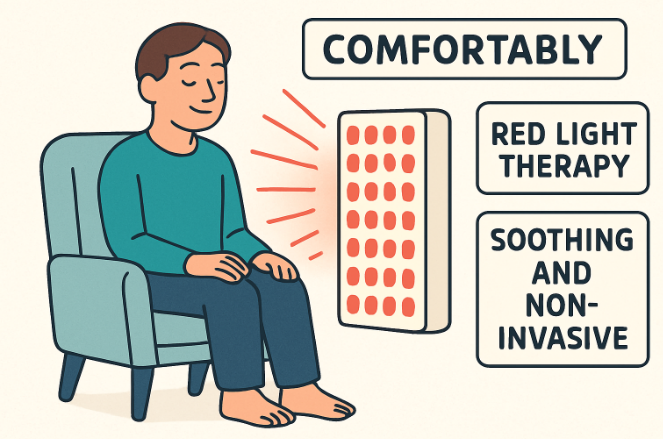
Understanding Red Light Therapy
Red light therapy (RLT), also known as photobiomodulation, is a natural health practice that uses specific wavelengths of red or near-infrared light to support optimal cellular function. Unlike ultraviolet rays, which may harm skin cells, red light safely penetrates the skin’s surface to interact with cells and encourage repair. This non-invasive technique is gaining momentum in the wellness field for its accessible and holistic approach, with options ranging from clinical treatments to at-home panels. One of the leading resources on red light therapy highlights its practicality and benefits for users at every stage of their wellness journey.
The underlying principle is straightforward: RLT’s light wavelengths are absorbed by mitochondrial chromophores within the body’s cells, which in turn supports the body’s innate healing mechanisms. This light exposure triggers a cascade of biological processes believed to accelerate cellular regeneration, reduce pain, and improve overall well-being appealing to both athletes and those seeking everyday vitality.
Growing public curiosity and positive anecdotes fuel research into RLT’s potential. As consumers increasingly seek drug-free, non-pharmaceutical approaches to care, this therapy stands out for its gentle, non-thermal, and restorative properties. Its ease of use, combined with a growing body of supporting science, has put RLT on the map as a cornerstone service in both home settings and integrative health clinics.
Incorporating RLT into ongoing wellness routines is easier than ever. Clinics, spas, and dedicated wellness centers now offer RLT as part of their therapeutic offerings, making the pursuit of holistic health more accessible. If you want to experience these therapies firsthand, visiting a certified wellness center is a dependable way to explore personalized services and guided sessions.
Scientific Basis of RLT
At the core of RLT’s benefits is its unique interaction with the cell’s mitochondria, the powerhouses of the body’s cells responsible for producing adenosine triphosphate (ATP), which is the cell’s primary energy molecule. When tissues absorb red and near-infrared light, mitochondrial activity is believed to increase ATP production, directly boosting energy for cellular processes, tissue repair, and regeneration. Not only does this process energize cells, but it also helps reduce oxidative stress and inflammation, both of which are linked to disease progression and aging.
Laboratory and clinical studies suggest that the effect of enhanced mitochondrial function extends to nearly every system in the body. For instance, elevated ATP production and cellular energy support not only encourage healing but may also regulate inflammation levels throughout the tissues and organs. This means RLT may have a preventive role for individuals seeking comprehensive, long-lasting health improvements.
Benefits for Skin Health
Among the most visible applications of RLT is its impact on skin appearance and resilience. Dermatologists have incorporated RLT into protocols to enhance collagen synthesis, yielding firmer, more elastic skin and diminishing the appearance of fine lines and wrinkles. The therapy is frequently used post-procedure to promote skin recovery, as well as independently to treat conditions such as acne, eczema, and psoriasis due to its anti-inflammatory effects and stimulation of cellular turnover.
Individuals who have undergone RLT for scar reduction or the management of chronic skin conditions often report less redness, accelerated wound closure, and decreased irritation. With continued exposure, these effects are believed to support the natural skin barrier, helping to retain moisture and defend against environmental aggressors.
Pain Relief and Muscle Recovery
Athletes and active individuals seek out red light therapy for faster recovery times and effective pain management. The wavelengths employed in RLT have been shown to reduce delayed-onset muscle soreness (DOMS) and joint pain by decreasing underlying inflammation and augmenting tissue repair. Clinical research has demonstrated that RLT increases local circulation, delivering more oxygen and nutrients to recovering tissues and helping people return to physical activity sooner.
Beyond athletic populations, RLT shows promise for those with chronic pain syndromes such as arthritis and fibromyalgia. By modulating pain signaling pathways and supporting healthy tissue regeneration, individuals can experience reduced acute and persistent aches, offering a non-drug option for daily comfort and mobility.
Mental Health and Cognitive Function
The benefits of red light therapy are not limited to physical wellness. Early investigations have shown that RLT may be valuable in supporting mental clarity, mood balance, and cognitive performance. By enhancing blood flow to the brain and reducing neuroinflammation, RLT can support healthy neurotransmitter function and a healthy stress response. Some research explores its efficacy as an adjunctive treatment for major depressive disorder and anxiety, offering hope for new holistic strategies in mental health care.
Individuals managing high stress or cognitive fatigue may integrate RLT into their routines to promote sharper focus and emotional well-being, paving the way for a more resilient, balanced lifestyle.
Incorporating RLT into Your Routine
Bringing the advantages of RLT into your daily life is increasingly straightforward. Many people start with professional sessions offered at clinics, where practitioners tailor treatments to specific needs using medical-grade equipment. This ensures optimal exposure times and safety while still delivering the full restorative promise of the therapy.
Alternatively, the rise of portable at-home RLT devices, ranging from facial masks to large panels, allows users to experience consistent, convenient treatments. These can easily be woven into a morning or evening routine, making natural wellness practices truly approachable.
Safety Considerations and Contraindications
Red light therapy is broadly regarded as safe and free from major side effects when used as directed. Occasional minor issues, such as mild redness or sensitivity, may occur but typically resolve shortly after treatment. However, it is always wise to consult with a healthcare provider before starting RLT, particularly for those who are pregnant, have known light sensitivities, or are managing serious health conditions like cancer or epilepsy. Medical supervision can help maximize benefits while ensuring individual safety.
To further ensure safety and maximize outcomes, it is crucial to follow device instructions and avoid excessive exposure, especially around the eyes and highly sensitive skin regions.
Conclusion
Red light therapy stands out as an accessible, natural method for enhancing overall health, whether one is seeking improved skin quality, reduced pain, or sharper cognitive function. With its solid foundation in science and user-friendly applications, RLT is quickly becoming a trusted partner in holistic health strategies, supporting the quest for vitality and long-term wellness as both a preventative and restorative modality.