
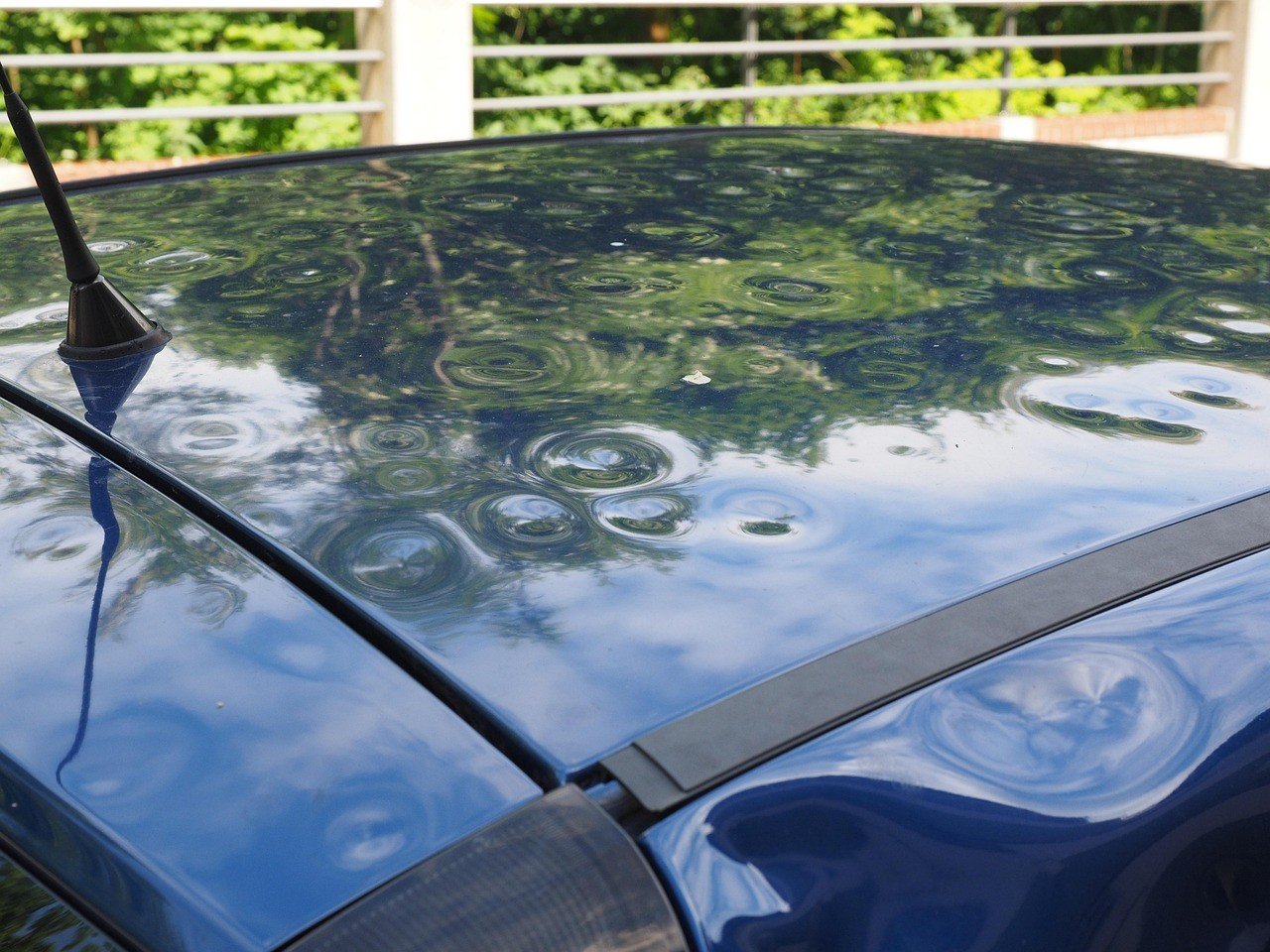
Hail damage repair includes assessing dents (paintless dent repair or panel replacement) and filing insurance claims. Here, we talk about what car owners must know about hail dent repair and insurance claims, as well as how to restore their vehicles in a cost-effective way.
The most hail-prone regions of Australia are the central east coast, which extends from Brisbane (North) to Sydney (South). Due to the emerging issues regarding global warming, hail frequency is observed in the Brisbane and Sydney/Canberra regions. Other hail-prone regions include some of Western Australia and Melbourne. However, hailstones damage vehicles rapidly, creating dents and shattering glass. And this has become an increasing concern for Australian car owners.
What Does Hail Damage Look Like?
Hail damage appears as black spots, dents, cracks, or granule loss, affecting vehicles, roof materials, and titles. On metal components, you can find dings and dents, as well as on tile roofs, including cracks and displaced tiles.
Due to hailstorms, large to small dents can be found on the top of the car and the bonnet. It also leads to shattered windows and windscreens, while scratching or paint chipping and damaged headlights can also be found.
| Type of Damage | Description | Severity | Repair Method |
| Minor Dents | Small, shallow dents with no paint damage. | Low | PRD |
| Deep Dents | Large, sharp dents with possible paint loss | Moderate | PDR or panel work |
| Cracked Paint | Dents with chipped/cracked paint | Medium-High | Panel replacement or repaint |
| Broken Glass | Cracked windscreens/windows | High | Glass replacement |
| Roof & Bonnet Dents | Multiple dents over a large surface | Varies | PDR or replacement |
Table 1: Common Types of Hail Damage to Vehicles
Key Repair Options
Here are some of the key repair options available for hail damage repair in Australia.
Paintless Dent Removal (PDR)
- PDR is a non-invasive method, best for medium and hail damage, if the paint is still intact.
- Trained PDR techniques use specialised tools to take out dents from the underside of vehicles.
- It is a less expensive and faster process compared to conventional methods. Being cost-effective and quick, it is preferred to address minor damages.
Traditional Panel Repair
- If the damage due to hailstorms is extensive, you can seek the traditional hail damage repair options to get rid of the sharp dents.
- You can also consider repairing and panel beating options to repair your car and ensure its aesthetics.
- Despite the long-term impact of the traditional repair process, it is costlier and time-consuming in nature.
- It involves multiple body fillers, restoring the surface of a vehicle.
Replacement
- In many cases, it is observed that the damage to the roof or shattered glass is beyond repair. In that case, you need to replace the glass to keep your car usable.
- The side panels and windscreens must be secured with new ones in extreme cases.
| Repair Option | Best For | Pros | Cons |
| PDR | Minor dents, no paint damage | Fast, affordable, no paint needed | Not for cracked paint |
| Panel Beating | Moderate–severe dents | Effective for paint damage | Longer turnaround |
| Panel Replacement | Irreparable panels | Restores full integrity | Higher cost |
| Glass Replacement | Cracks/smashed glass | Safety essential | An insurance claim may be required |
Table 2: Repair Method Comparison
Insurance & Hail Damage in Australia
In Australia, car insurance policies cover hail damage issues, but you must check your Product Disclosure Statement (PDS) to confirm the exclusions and specifics.
What to Do When You Experience Hail Damage
- Contact your insurer as soon as possible, based on the nature of the damage.
- Provide adequate information and documentation or photos of damage to assist your insurer in processing the claim.
- Read the target marketer determination and product disclosure statement carefully to understand the exclusions and coverage.
Car Insurance and Hail Damage
- Comprehensive cover is the only type of car insurance that covers hail damage.
- The damage won’t be recovered if you only have the third-party policy.
- Insurers might not cover the claims regarding pre-existing damage.
| Type of Repair | Timeframe | Notes |
| PDR (Minor Dents) | 1–2 days | Quicker if no repainting is needed |
| Panel Repair | 3-5 days | Depends on workshop availability |
| Roof Replacement | Up to 7 days | May need insurance approval |
| Windscreen | Same or next day | Mobile replacement available |
Table 3: Average Hail Repair Timelines
Choosing the Right Hail Damage Repair Specialist in Australia
You need to seek specialists with a minimum of 1-2 years of experience in repairing hail damage. Prioritise their experience, especially regarding your car model.
- Consider PDR specialists, as it is comparatively cheaper and time-effective to repair your car.
- Check customer reviews, take suggestions from family and friends to find the most suitable and experienced company.
- You must ensure that specialists are insured and hold government licenses and regulatory compliance.
Summary
The frequency of hailstorms in certain Australian regions has been a key threat to public life. It affects the resale values of cars, as well as their functional values, on a significant scale. While PDR is comparatively cheaper, the conventional repairing method needs a longer period to fix the issues. However, you need to consider specialists with government licenses and experience to get the best options for hail damage.
Still not sure about the hail damage repair services for your car? Visit the nearest store or their websites for a better understanding of the services.