
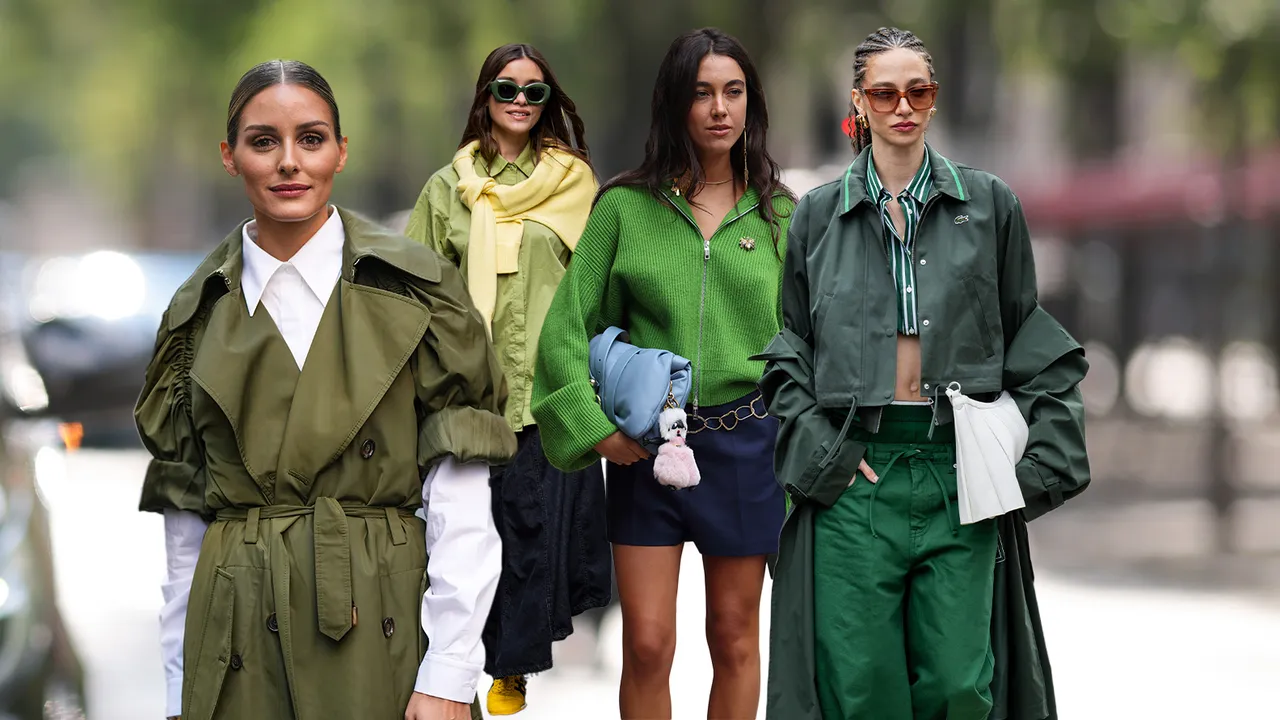
For years, everyday wardrobes ran on a short list of colors: black, white, gray, navy. They’re reliable, but after a while they can feel like a uniform. Green is changing that quietly.
It isn’t showing up as a loud statement. It’s appearing in muted, wearable shades that sit comfortably beside the neutrals people already own. That’s what makes it interesting: green adds freshness without asking anyone to rebuild their closet.
Why Green Feels So Right Right Now
Green sits in a useful middle ground. It has the calm of a neutral and the life of a color. Olive, sage, moss, and forest tones read as natural and grounded, which suits the relaxed, practical way many people dress today.
There’s also an emotional pull. Green is closely associated with nature, and people often reach for it when they want clothing that feels calm rather than aggressive. It looks good in casual settings, and it doesn’t carry the formality or severity that some darker shades do.
Green Is More Wearable Than It Looks
Many people hesitate because they assume green is hard to style. In practice, the right shades behave almost like neutrals.
- Olive pairs with black, cream, denim, and tan.
- Sage sits well with white, soft gray, and light wash jeans.
- Forest green works like a deeper navy, easy beside charcoal, camel, and brown.
- Moss brings warmth and looks great with rust, sand and off-white.
The key is choosing muted, slightly earthy versions. Very bright greens can be harder to wear day to day, while softened tones blend naturally into existing wardrobes.
Start With Everyday Pieces
The easiest way to try green is through basics. A tee, a pair of relaxed trousers or a cozy layer gives you color without much risk.
Sweatshirts are particularly good for this. A muted green crewneck looks relaxed with jeans, sharp with dark trousers, and easy under a jacket. For brands and retailers building a basics range, a wholesale green sweatshirt is a practical way to introduce the color, since it’s a familiar silhouette that customers already know how to style.
For individual wearers, the same idea applies. Start with one green piece you’ll use often, and build from there.
How to Pair Green With Other Colors
Green is flexible when you choose companions carefully.
Green With Neutrals
This is the simplest route. Cream, white, black, gray,y and tan all let green stand out without competing. An olive sweatshirt with light denim and white sneakers is an outfit that almost builds itself.
Green With Earth Tones
Brown, rust, mustard,d and sand echo the natural feel of green. Together they create a warm, cohesive look that suits autumn and winter, though lighter versions work in spring too.
Green With a Bold Accent
For more contrast, try a small dose of burgundy, soft pink, or burnt orange. Keep the accent limited to a single piece or accessory so the green remains the focus.
Match the Shade to the Season
You can wear green all year if you adjust the tone.
- Spring: sage, mint, and soft pistachio feel light and fresh.
- Summer: washed, faded greens in lightweight cotton keep things airy.
- Autumn: olive, moss, and khaki-leaning shades fit the earthy palette.
- Winter: deep forest and bottle green look rich against heavier fabrics and darker layers.
Fabric and Finish Change How Green Reads
The same shade can look very different depending on the material. Brushed fleece softens green and gives it a cozy depth. Smooth cotton makes it look crisper. A garment-dyed or washed finish adds a lived-in, slightly faded character that suits casual wear.
Because greens vary so much in undertone, it’s worth comparing them in daylight. Some lean yellow, others lean blue, and mixing the wrong pair in one outfit can look accidental rather than intentional. If two greens share a similar undertone, they usually sit well together.
Quality Matters With Color
Color pieces rely on good dye and fabric. Uneven dye, fading, or a thin, clingy fabric makes a green garment look cheap quickly, and the effect is more obvious on a mid-tone color than on black.
Before choosing pieces, whether for personal use or a collection, look at fabric weight, stitching, and how the color holds up after washing. Comparing a few suppliers helps too, and a catalog like Simplstc Apparel can give you a sense of the weights, cuts,s and color options available before you decide what suits your needs.
Using Green in a Collection
If you’re building a range, green works best as part of a balanced palette rather than the whole story. Keep neutrals as the base, add one or two greens as supporting tones, and use brighter shades sparingly as seasonal accents.
Test with a small first batch and watch what customers reorder. Name colors clearly, with labels like olive, sage, or moss, so shoppers can picture them. And photograph in natural light, since green can shift noticeably under artificial lighting.
Conclusion
Green is bringing a fresh perspective to everyday fashion because it offers something rare: variety that doesn’t complicate things. Muted shades pair easily with the neutrals people already wear, suit nearly every season, and add life to simple outfits.
You don’t need a full overhaul. One well-chosen green piece, in a fabric that holds up, is enough to make familiar outfits feel new again.