
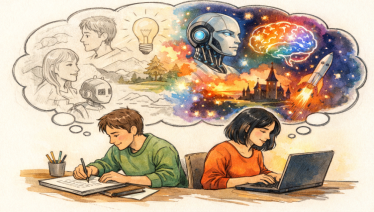
Artificial Intelligence (AI) image generators represent a turning point in digital creativity. These cutting-edge tools allow artists, designers, and everyday users alike to transform simple text prompts into stunning visuals within seconds, radically streamlining the creative process and enabling unprecedented artistic exploration. For those searching for cutting-edge tools that offer both power and accessibility, exploring the best AI image generator options available can help unlock new visual possibilities.
From sketching out ideas to producing commercial-ready assets, AI image generators are shifting the boundaries of art and design. By decoding language and using vast databases of visual styles, these AI systems allow creators to move seamlessly from conceptualization to final rendering, all without traditional artistic skills. As these systems improve, they are reshaping how professionals and hobbyists alike approach visual storytelling and innovation in the digital age.
Introduction to AI Image Generators
AI image generators use machine learning and massive datasets to transform text into vivid images. Popular tools such as DALL·E 3, Midjourney, and Google’s Imagen 4 have become central to both creative and commercial industries. Each system is trained on millions of images and their descriptions, allowing it to interpret a user’s prompt, such as “a cat flying through a galaxy in watercolor style”, and turn that concept into a unique piece of art.
Among these, Google’s Imagen 4 has set new benchmarks for detail and realism. It can render subtle textures like fabric folds, droplets of water, and even animal fur, often in a variety of artistic styles and resolutions. These capabilities are helping everyone from advertising agencies to solo entrepreneurs visualize and iterate on concepts faster than ever before. The rise of these tools is rapidly influencing how visual content is produced, customized, and distributed across digital platforms.
Enhancing Creative Workflows
The adoption of AI image generators in creative workspaces has fundamentally changed how ideas come to life. Teams can now instantly prototype and visualize multiple design directions, assembling mood boards or storyboards at a pace that would be impossible using traditional means. This quick turnaround accelerates early-stage ideation, enabling creators to innovate faster and refine their visions before significant time is invested in manual work.
By experimenting with different prompts and settings, creatives can test color palettes, lighting, and even entirely new concepts in real-time. The efficiency boost is especially valuable during collaboration, as teams iterate together and discard weak ideas quickly. In fields such as marketing and publishing, these tools also help teams respond to trends and client needs with speed and precision.
Impact on Professional and Non-Professional Users
The democratizing effect of AI image generators cannot be understated. For the first time, individuals with little to no experience in traditional art can generate professional-grade images for their projects, products, blogs, or creative hobbies. This accessibility empowers a far wider range of people to experiment with visual storytelling and design, which in the past was often reserved for those with formal training or access to expensive software.
Academic research supports this shift. In a study of 380 participants, AI-generated images were found to help people of diverse backgrounds and skill levels enter creative domains that had previously seemed out of reach. As more user-friendly tools emerge, the distinction between professional and amateur digital artists is blurring, making creativity a more open and inclusive field. These findings and more are discussed in a growing body of literature about how technology broadens access to art and design.
Challenges and Limitations
As powerful as AI image generators are, they come with clear challenges. A significant concern is the risk of creative homogenization. When left to operate autonomously, studies have shown that these systems tend to generate repetitive, clichéd motifs. For example, researchers found that unsupervised AI-generated art often converged on just 12 distinct styles or concepts, limiting the diversity of output and raising questions about computational originality.
Ethical questions remain unresolved as well, from issues of copyright and attribution to the risk of unintentionally generating offensive or misleading imagery. Without careful human oversight, there is a danger of amplifying biases present in the training data or failing to meet industry standards for originality and cultural sensitivity.
Future Prospects
The future of AI-driven image creation holds exciting possibilities and new responsibilities. Industry experts predict that by 2026, these systems may not only match but in some respects surpass the skills of human artists, both in terms of style and technical execution. We may soon see AI tools that can generate entire animated sequences or interactive 3D environments, fundamentally shifting the creative landscape even further. As discussed by Wired, these advances will likely redefine creative roles, making the ability to direct and curate AI outputs as important as technical design skills.
Designers and visual professionals may need to adapt from hands-on creation to roles that emphasize creative guidance, narrative development, and ethical considerations. The synergy between human imagination and algorithmic capability will shape the next era of art, marketing, entertainment, and education.
Conclusion
AI image generators have quickly become pivotal tools in digital creation, eliminating technical barriers and opening new avenues for both professionals and hobbyists. Although they present challenges around originality, quality control, and ethics, their transformative potential is vast. As this technology matures, the most successful creators and organizations will be those who combine the unique insights and sensitivities of human creativity with the efficiency and adaptability of AI systems, ensuring that the future of art and design is both diverse and innovative.