
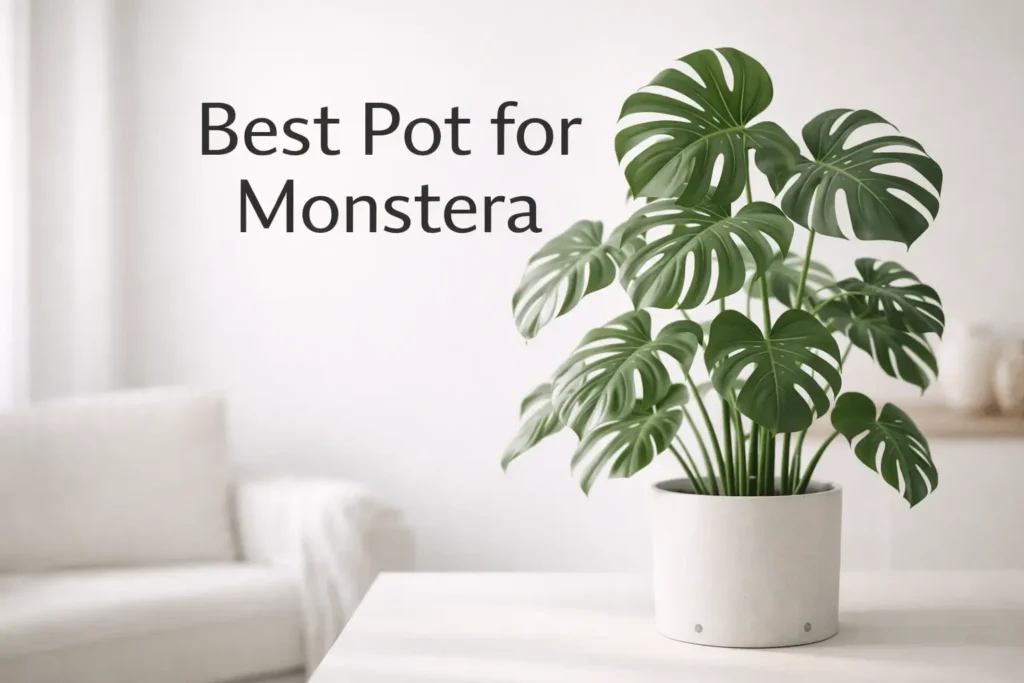
A Monstera plant is one of those indoor beauties that instantly transforms a space. Its large, glossy, split leaves bring a tropical vibe into any room, but there’s one thing many plant owners overlook—choosing the right container. The container you pick plays a major role in how well your plant grows, how healthy its roots stay, and how often you’ll need to repot it.
Selecting the right container isn’t just about aesthetics; it’s about balance, drainage, root comfort, and long-term growth. A poorly chosen container can slow down development or even cause root rot, while the right one can help your plant thrive for years.
Why the Right Container Matters for Monstera Growth
Monsteras are fast-growing tropical plants with aerial roots and a strong underground root system. They need space to expand, but not so much space that water gets trapped for too long.
The ideal setup ensures:
- Proper airflow to roots
- Balanced moisture retention
- Enough room for growth without overwhelming the plant
- Stability for tall, climbing stems
When these conditions are met, your plant becomes healthier, more vibrant, and easier to maintain.
Choosing the Ideal Size
Size is one of the most important factors. Too small, and the roots become cramped. Too large, and the soil stays wet too long, which can lead to rot.
A good rule of thumb is to choose a container that is 2–3 inches wider than the root ball.
- Small Monstera (starter plant): 6–8 inch container
- Medium growth stage: 10–12 inch container
- Mature plant: 14–20 inch container or larger
The goal is gradual progression, not jumping into an oversized planter too early.
Material Matters More Than You Think
Different materials affect moisture, temperature, and root health in unique ways. Some dry quickly, while others retain water longer. Here’s a simple comparison:
| Material | Pros | Cons | Best For |
|---|---|---|---|
| Terracotta | Breathable, prevents overwatering | Dries quickly | Beginners prone to overwatering |
| Ceramic | Stylish, retains moisture well | Heavy, can trap moisture | Decorative indoor setups |
| Plastic | Lightweight, affordable | Poor airflow | Frequent movers or budget setups |
| Self-watering | Convenient, consistent moisture | Risk of overwatering | Busy plant owners |
Each option has strengths, but the best choice depends on your watering habits and indoor environment.
Drainage: The Non-Negotiable Feature
No matter how stylish your container is, it must have drainage holes. Without them, excess water has nowhere to go, leading to root suffocation and decay.
To improve drainage:
- Always ensure at least one large hole at the bottom
- Use a layer of pebbles or mesh if needed
- Avoid letting the plant sit in standing water
Good drainage is the difference between a thriving plant and a struggling one.
Soil and Pot Combination
The container works hand-in-hand with the soil mix. Monsteras prefer a loose, airy blend that mimics their natural environment.
A suitable mix includes:
- Potting soil
- Perlite for aeration
- Orchid bark for structure
- Coconut coir for moisture balance
This combination ensures roots get both oxygen and hydration without becoming waterlogged.
Common Mistake in Monstera Pot Selection
Many plant owners make the mistake of repotting their Monstera into a much larger container “for future growth.” I once did this myself, thinking it would save time on repotting later. Instead, the soil stayed wet for too long, and the plant’s leaves started turning yellow. It took weeks of adjustment, better drainage, and a smaller container switch to bring it back to health.
This is a common issue in indoor gardening—bigger is not always better when it comes to plant containers.
Personal Experience Insight
I noticed a dramatic change in leaf size and color when I switched from a decorative ceramic pot without proper drainage to a breathable terracotta option. The plant responded within a month, producing healthier, split leaves and stronger aerial roots.
Repotting: When and How to Upgrade
Your Monstera will eventually outgrow its container. Signs include:
- Roots growing out of drainage holes
- Soil drying too quickly
- Slowed growth despite good care
- Visible root crowding
Repotting steps:
- Gently remove the plant
- Loosen compacted roots
- Move it into a slightly larger container
- Add fresh soil mix
- Water lightly and allow adjustment time
Avoid repotting too frequently—once every 1–2 years is usually enough.
Aesthetic vs Function: Finding the Balance
Many people choose containers based on appearance alone, but the healthiest setup blends both style and function. A decorative outer pot can still be used if it holds a properly draining inner container.
Think of it like this: beauty attracts attention, but structure keeps the plant alive.
Indoor Placement and Container Behavior
Where you place your Monstera also influences how the container performs. Bright, indirect light speeds up soil drying, while low-light areas keep moisture longer.
Adjust watering frequency based on:
- Room humidity
- Temperature
- Container material
- Seasonal changes
This dynamic care approach ensures long-term success.
Also Read: LovelolaBlog COD Guide: Tips, Codes & Savings Tricks
Conclusion
Choosing the right container for your Monstera is more than a gardening decision—it’s a long-term investment in plant health. From size and material to drainage and soil balance, every detail contributes to how well your plant grows. When properly matched, the container becomes a silent partner in your plant’s development, supporting lush leaves, strong roots, and steady growth.
A thoughtful setup today can lead to years of vibrant greenery tomorrow.
FAQs
1. What size container is best for Monstera?
A container 2–3 inches larger than the root ball is ideal for healthy growth without overwatering risks.
2. Can Monstera grow in plastic containers?
Yes, but ensure proper drainage and avoid overwatering since plastic retains moisture longer.
3. How often should I repot my Monstera?
Typically every 1–2 years, or when roots become crowded or start emerging from drainage holes.
4. Is terracotta better than ceramic for Monstera?
Terracotta is better for moisture control, while ceramic is more decorative but retains more water.
5. What happens if I use a pot without drainage holes?
Water buildup can lead to root rot, yellowing leaves, and overall plant decline.