
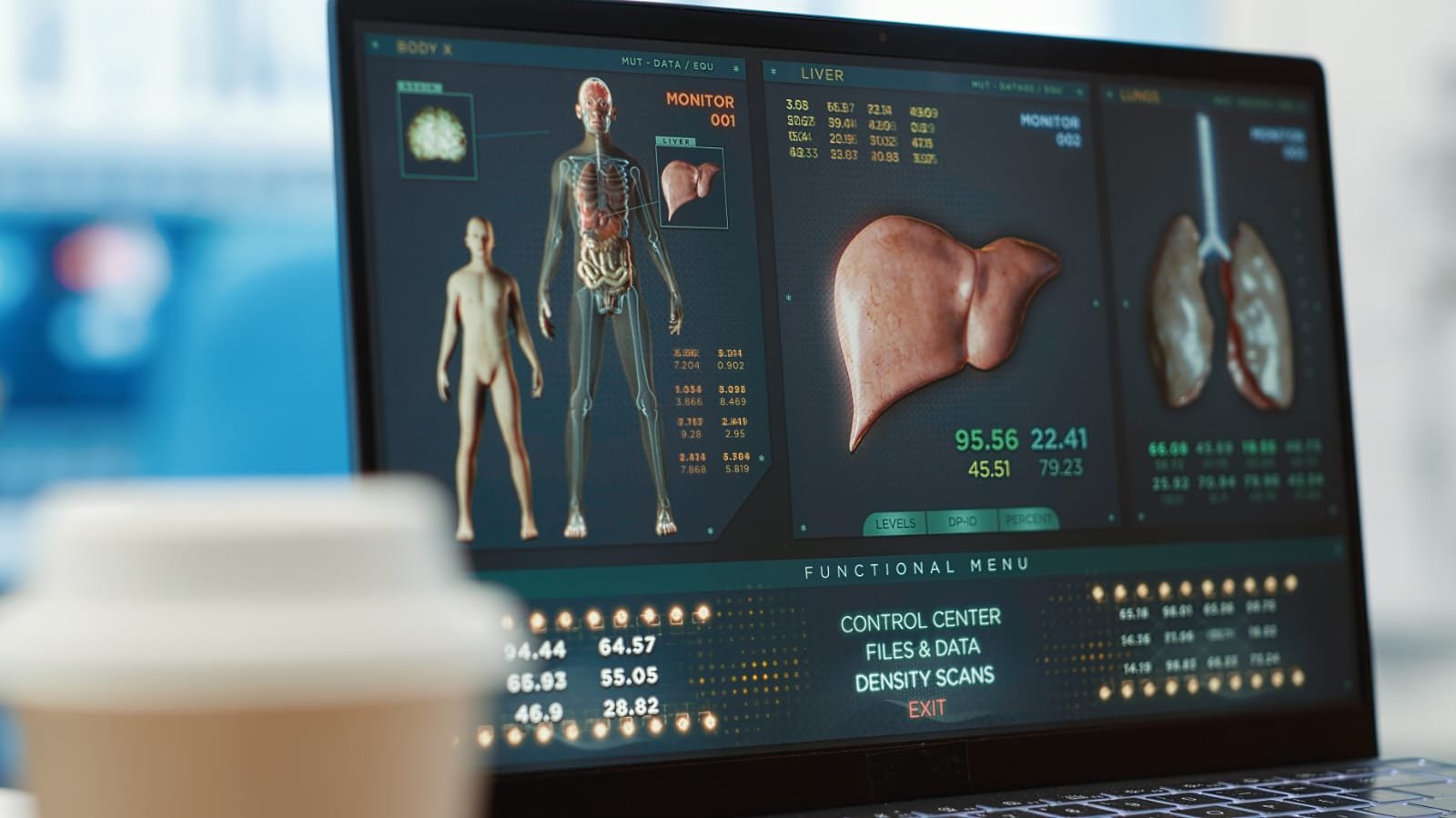
Chronic kidney disease is a progressive, long-term disorder that requires regular follow-up and care coordination as well as patient involvement. Conventional episodic care models struggle to address these needs, particularly when patients experience periods of disease and comorbidity. This gap is the reason why a nephrology CCM platform was created to facilitate the provision of consistent, intensive care that is specific to kidney patients.
The nephrology chronic Care Management is not just a follow-up. It aims to put the progression of the disease under control, minimize complications, and enhance quality of life in the long run. This complexity requires a specialized CCM platform to support it in a realistic and scalable manner.
Why Chronic Care Management Is Essential in Nephrology
The kidney disease is seldom isolated. There are high chances of patients having hypertension, diabetes, cardiovascular disease, and complications of medications, besides deteriorating renal function. These overlapping conditions are rather challenging to manage without frequent touchpoints, which cannot be maintained by visits only.
A CCM platform of nephrology supports care teams to stay in close touch with patients, observe their symptoms and support care plans, as well as detect problems in their early stages. This continuity is particularly valuable in slowing down the disease, as well as preventing unnecessary hospitalization. Nephrology practices become pushed into the reactive care patterns, where they manage complications and not prevent them in the absence of structured chronic care management.
The Purpose and Design of a Nephrology CCM Platform
A CCM platform that focuses on nephrology helps to maintain longitudinal care as opposed to one-off encounters. It consolidates patient data, care plans, communication, and documentation into a single system that is aligned with chronic care processes. The platform will be developed to follow the patients through the months and years, not only between appointments.
A nephrology CCM platform is realistic, unlike generic CCM tools. This involves observing the symptoms that are associated with fluid balance, medication adherence, dietary restrictions, and disease progression. The platform assists in ensuring that the care management activities are consistent, documented, and clinically significant.
Supporting Care Teams and Improving Operational Efficiency
Nephrology clinics usually become understaffed and deal with high-risk patient groups. A CCM platform will assist in the sharing of work among the care team so that nurses, care coordinators, and other employees can take an active role in managing patients.
The platform lowers the level of administrative friction by arranging outreach, monitoring contacts, and standardizing documentation. Care teams can spend time on meaningful patient engagement as opposed to searching for information or overlapping efforts. When the workflows are modeled based on the way nephrology care is provided in practice, CCM turns out to be sustainable and not cumbersome.
Patient Engagement in Chronic Kidney Disease Management
Engaging patients is one of the most problematic issues in nephrology care. The changes in lifestyle, adherence to medications, and reporting of the symptoms all need constant efforts of the patient, who might already be overwhelmed by the condition.
A nephrology CCM platform facilitates interaction through structured and frequent interaction. Patients also receive regular check-ins, clear instructions, and a feeling that their care team is engaged in the inter-visit period. The involvement will be enhanced when patients feel supported and not monitored because they know their care plan.
Documentation, Data Management, and Compliance Considerations
Chronic Care Management is a situation that needs adequate documentation to ensure continuity in clinical care as well as reimbursement. A nephrology CCM platform simplifies this process by recording care management procedures in real time and structured in a compliant fashion.
Quality reporting and performance measuring is also supported by accurate documentation. In the long term, this data can demonstrate tendencies in the development of the disease, problems of noncompliance, and unmet care. Data under proper care is an improvement tool but not a liability to the administration.
Financial Sustainability and Practice Viability
CMC should be economically viable in the case of nephrology practices. The properly designed CCM platform facilitates the right billing processes and is in line with the kidney care realities. This involves the monitoring of time taken in non-face-to-face care and the maintenance of eligibility and documentation requirements.
In addition to reimbursement, the financial contribution of a nephrology CCM platform will consist of lower acute events and improved long-term outcomes. Avoidance of hospitalization, postponement of dialysis treatment, and enhanced patient stability are all aspects that lead to a more sustainable model of care delivery.
Implementation Challenges and Realistic Expectations
The Nephrology CCM platform is not universal. Technology by itself will not provide the answer to patient socioeconomic barriers, staffing shortages, and systemic constraints. Lack of training in the implementation of the programs, the alignment of workflow, and support of leadership leads to the failure of the programs.
Success needs to be realistic in favor of incremental improvement. CMC practices will have more sustained gains when they are implemented as a central care approach to an add-on.
Conclusion
A nephrology CCM platform is essential in the management of the complex nature of renal disease in the long term. It assists in transforming nephrology into proactive management instead of reactionary intervention by promoting sustained care, systematic work processes, and patient interaction.
A CCM platform can be used wisely to make care teams stronger, assist patients, and achieve better results in the long-run. Having the appropriate care management infrastructure cannot be a choice in a profession where chronic progression is part of the game and not an exception.