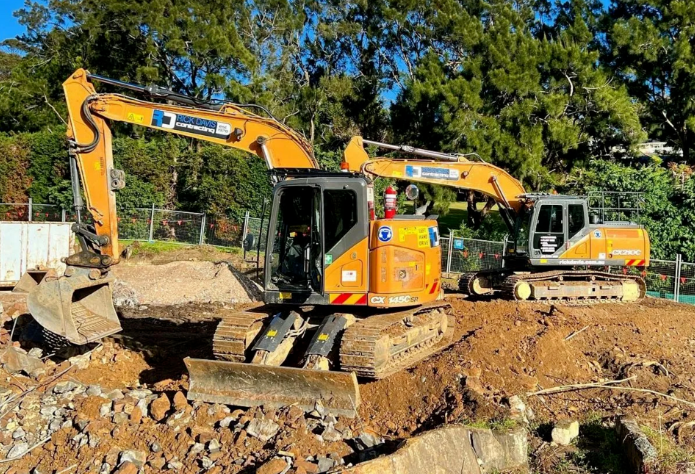
Excavators are among the most versatile and essential pieces of equipment in the construction and civil works industry. They help with digging foundations, clearing land, moving large amounts of earth and preparing sites for development. If your project requires reliable machinery, you can explore the Rick Davis Contracting excavator fleet for earthmoving to find machines suited to jobs of all sizes. Understanding how excavators work, the types available and how they are used on site helps you plan your project more effectively and ensure the right tools are in place for the task.
Earthmoving projects come in many forms — from residential site preparation to large civil infrastructure works — and knowing how excavators support these tasks helps you reduce delays, improve safety and maximise efficiency.
What an Excavator Is and How It Works
An excavator is a tracked or wheeled machine with a boom, stick and bucket assembly designed to move earth and other materials. It is powered by a diesel engine and controlled by an operator from a cab with excellent visibility.
Basic Components of an Excavator
- Cab where the operator sits and controls the machine
- Boom and Stick that extend and reach into work areas
- Bucket used to dig, lift and move material
- Tracks or Wheels that allow the machine to move across terrain
- Hydraulic System that powers all movement
This combination makes excavators ideal for a variety of earthmoving tasks.
Common Excavator Sizes and Their Uses
Excavators come in a range of sizes to meet different project demands.
Mini Excavators
Mini excavators are compact and perfect for:
- Residential projects
- Tight spaces where larger machines cannot fit
- Small trenching or landscaping tasks
Mid-Size Excavators
Mid-size machines suit:
- Standard earthmoving work
- Medium site preparation tasks
- Foundations and utility trenching
Large Excavators
Large excavators are ideal for:
- Major infrastructure projects
- Deep excavation work
- Moving large volumes of soil
Choosing the right size ensures work is efficient, safe and cost effective.
Key Earthmoving Tasks Excavators Handle
Excavators are capable of more than just digging. Their strength and flexibility make them suitable for many site tasks.
Core Excavator Tasks
- Digging foundations and trenches
- Clearing vegetation and topsoil
- Grading and levelling surfaces
- Loading trucks with earth or debris
- Demolition of small structures
This range of capabilities makes excavators central to many phases of a project.
Why Excavators Are Essential on Construction Sites
Excavators save time and labour by performing heavy tasks quickly and precisely.
Benefits of Using Excavators
- Reduce manual labour requirements
- Improve project timelines
- Support accurate grading and shaping
- Enhance soil movement efficiency
- Provide stable performance on rough terrain
Professional operators get the most out of these powerful machines.
How Excavators Improve Safety and Efficiency
Using the right equipment correctly enhances safety on site. Excavators reduce the need for manual digging, lower the risk of injury and improve overall workflow.
Safety Considerations
- Operators are trained and certified
- Machines are inspected before use
- Work plans include traffic and pedestrian controls
- Hazards are identified before excavation begins
Proper planning and trained operators create safer work environments.
Choosing the Right Excavator for Your Project
Before you hire or schedule equipment, consider the type of work and site conditions.
Factors to Consider
- Depth and volume of earth to be moved
- Access and space constraints on site
- Ground conditions and stability
- Project timeline and budget
- Need for attachments like buckets or hammers
Answering these questions helps you match machinery to the task at hand.
Attachments That Expand Excavator Capability
Excavators can use a range of attachments to perform specialised work.
Common Attachments Include
- Buckets for digging, grading and trenching
- Augers for drilling holes
- Hydraulic breakers for breaking concrete or rock
- Rippers for loosening compacted soil
- Thumbs for picking up debris or irregular materials
These tools give excavators flexibility for many project requirements.
How Excavators Support Civil Construction Projects
In larger infrastructure and civil works, excavators play a central role from start to finish.
Typical Civil Uses
- Earthworks for road base preparation
- Excavation for bridges and drainage systems
- Site clearing for new subdivisions
- Utility line trenching
- Backfilling and compaction support
Coordination between operators, supervisors and site planners ensures efficient progress.
Maintenance and Care for Excavators
Like any heavy machinery, excavators need regular maintenance to remain reliable and safe.
Routine Maintenance Tasks
- Inspecting hydraulic systems for leaks
- Checking fluid levels and filters
- Cleaning undercarriage and tracks
- Tightening fasteners and checking welds
- Inspecting attachments for wear and damage
Regular care prevents breakdowns and extends machine life.
Training and Certification for Operators
Operating an excavator requires skill and awareness of safety protocols. Trained operators understand how to manoeuvre machines and respond to changing site conditions.
Operator Qualifications
- Formal heavy machinery training
- Certification in excavation safety
- Experience working on construction sites
- Knowledge of site safety procedures
These qualifications help ensure efficient and safe operation.
Cost Considerations When Hiring Excavators
Project budgets often include equipment hire, and excavators represent a significant portion of plant costs.
What Influences Hiring Costs
- Machine size and type
- Duration of hire
- Need for specialised attachments
- Distance for machine delivery to site
- Operator inclusion or self-drive arrangements
Clear quotes help project managers plan budgets effectively.
Coordinating Excavator Use With Other Trades
Excavators are part of a broader fleet on site. Coordinating their use with trucks, graders, surveyors and labour teams improves workflow.
Coordination Tips
- Plan excavation sequences ahead of time
- Communicate when excavation intersects with utilities
- Schedule trucks to reduce waiting times
- Align grading work with compacting crews
Efficient coordination speeds up project delivery and reduces downtime.
Environmental and Regulatory Considerations
Earthmoving work often involves planning approvals and environmental controls.
Obligations on Site
- Managing erosion and sediment
- Protecting nearby vegetation
- Complying with local soil disposal rules
- Managing dust and noise levels
Excavator operators and site managers work together to meet these requirements.
Conclusion
Excavators are powerful, versatile machines that play a central role in construction and civil earthmoving projects. With options available from the Rick Davis Contracting excavator fleet for earthmoving, you gain access to reliable machinery capable of handling a wide range of tasks — from digging foundations and clearing sites to moving bulk earth and supporting infrastructure work. Choosing the right excavator, maintaining it properly and coordinating its use on site leads to smoother project delivery, improved safety and better outcomes.
By understanding the capabilities, safety considerations and applications of excavators, project teams can make informed decisions and keep work progressing confidently. Whether you are preparing land for development, supporting road works or managing large scale earthworks, an excavator is an indispensable tool that contributes to efficiency, safety and productivity.